
My two cents…
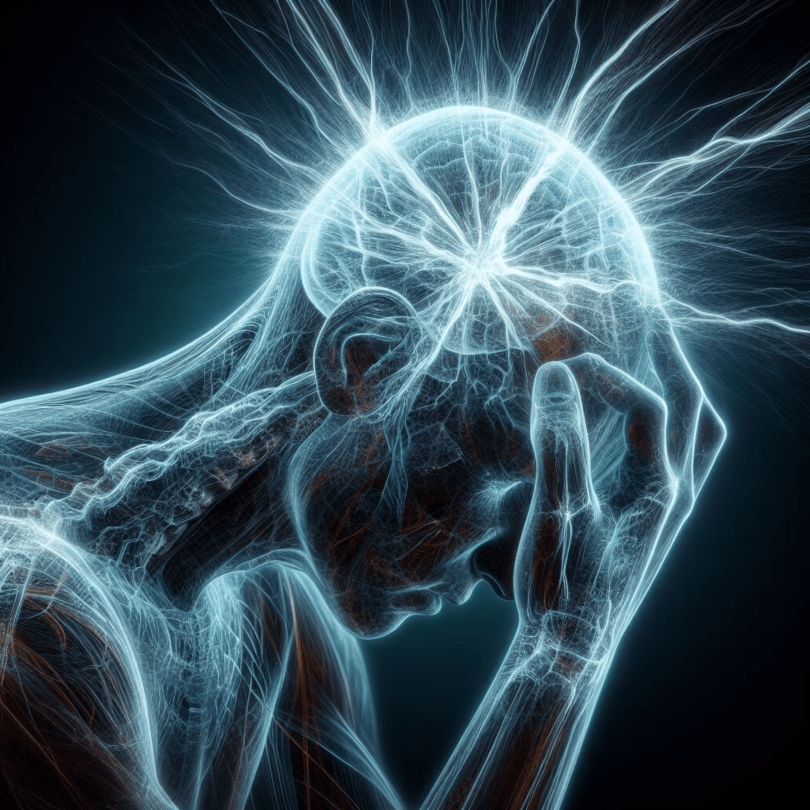
As we are all aware, life comes with loss, grief, disappointment, disillusion, heartache, pain, illness, etc. It comes with a lot of joy and fulfillment as well, moments of fun and happiness, but coping with the hard stuff is quite challenging. Some have had better experiences. Some have had worse. Many have also endured abuse. Many more than we realize have faced trauma they don’t know how to process or deal with.
“Problems are not the problem; coping is the problem.” — Virginia Satir
Compounding the torment are issues with pride and ego, greed, insecurities, entitlement, social media’s parasocial consequences, making assumptions, and disproportionate responses. People are often compelled to jump to conclusions, punish or have the last word to their own detriment, unwilling to give due respect or the benefit of the doubt. They forget that life isn’t always fair, and sometimes fighting for the sake of fighting isn’t worth it. Issues often lead to chemical abuse, untreated addiction, rape, assault, abuse, character assassination, murder. Too often, people are oblivious to what they’re allowed to do, legally or even ethically. These are, of course, all unhealthy coping mechanisms.
This is a humanity problem. It’s always been a humanity problem. Think back to what people have done to each other since the start of civilization. Think about what they continue to do. They have abused and destroyed others as well as themselves.
Parents and authority figures need to teach coping skills to children. All of us need to lead by example.
What I learned (when I came across people who knew enough to teach me) is that, first and foremost, we need to heal from what ails us. To do that, we must develop self-awareness, identify our issues, and work on them. To even get there, we have to address the negative headspace in general, as well as the inflated sense of self-importance, catastrophizing everything, and failing to observe the actual problems we face in a way that allows for a measured response that is both meaningful and helpful.
For those who can afford it, therapy is great, including anger management, as long as you find the right therapist. Those with chemical imbalances need medication. Even if you can’t afford therapy, support systems are an invaluable resource (friends, family, community). Write. Ask for help. Overshare if you need to. You may be helping someone else. In short, we must learn how to process and deal with our feelings. We can learn to practice restraint, as our emotions and impulses get the best of us.
I learned, too, that we need to learn how to get along. Forget the us against vs. them mentality, especially when there is no provocation along those lines. Have a sense of humor and don’t take yourself too seriously. Become skilled at conflict resolution, learn how to think more analytically, and if you must argue, learn how to argue in good faith. Listen to understand, not just to be right. Know when something isn’t worth the trouble.
This last thing is the obvious one, I think, but people do forget it. It’s important that we take care of ourselves. Do nice little things for yourself especially on hard days. Occupy your time with work, goals, dreams, and when in doubt, focus on the next right thing to do. Make time for fun things (listen to music, read, enjoy company, romance, play games, cook, learn, play an instrument, sing, anything to stay out of that negative mental space that seems to get larger with boredom).
We can do this, and please feel free to add to the discussion and share your own coping mechanisms!
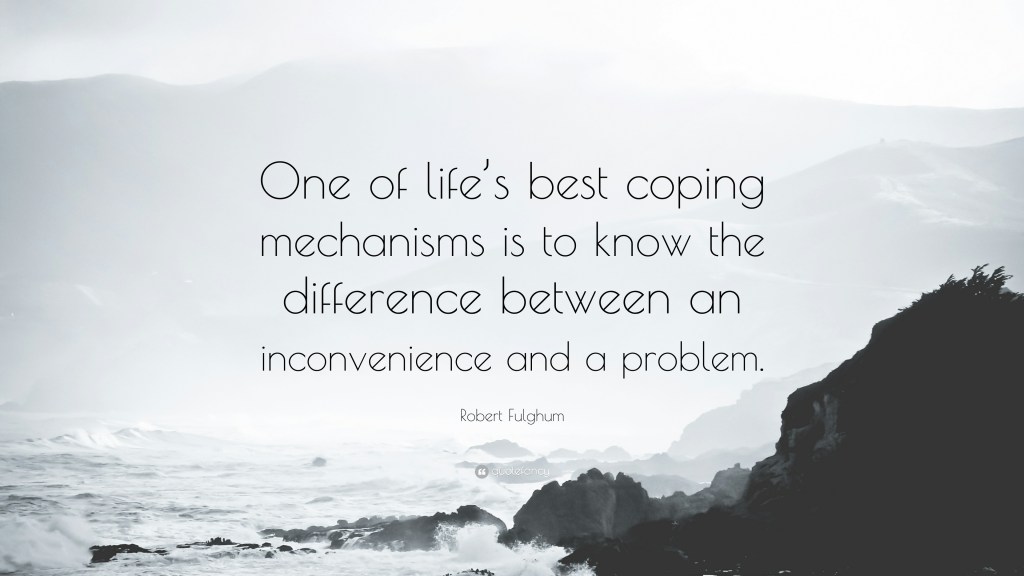
“You might tell yourself: Just this moment or Just these few moments… Then, if it’s still tolerable, move on to the next 10 breaths.” — Tara Brach

